
LEAD Institute, October 2025: Diagnosing Multiple Tough Interpretations, Radical Candor, and DiSC Workshop
Last week, our LEAD Institute Class came together for a day centered on self-awareness, courageous communication, and authentic leadership — three vital components of growing as a leader
who both inspires and empowers others.
Hosted and generously sponsored by Western Reserve Masonic Community, our class was welcomed by President Jason French to a beautiful and serene learning environment. From the warm hospitality to the endless coffee refills, we’re so thankful for their care in keeping us comfortable, energized, and ready to learn throughout the day.
Diagnosing Multiple Tough Interpretations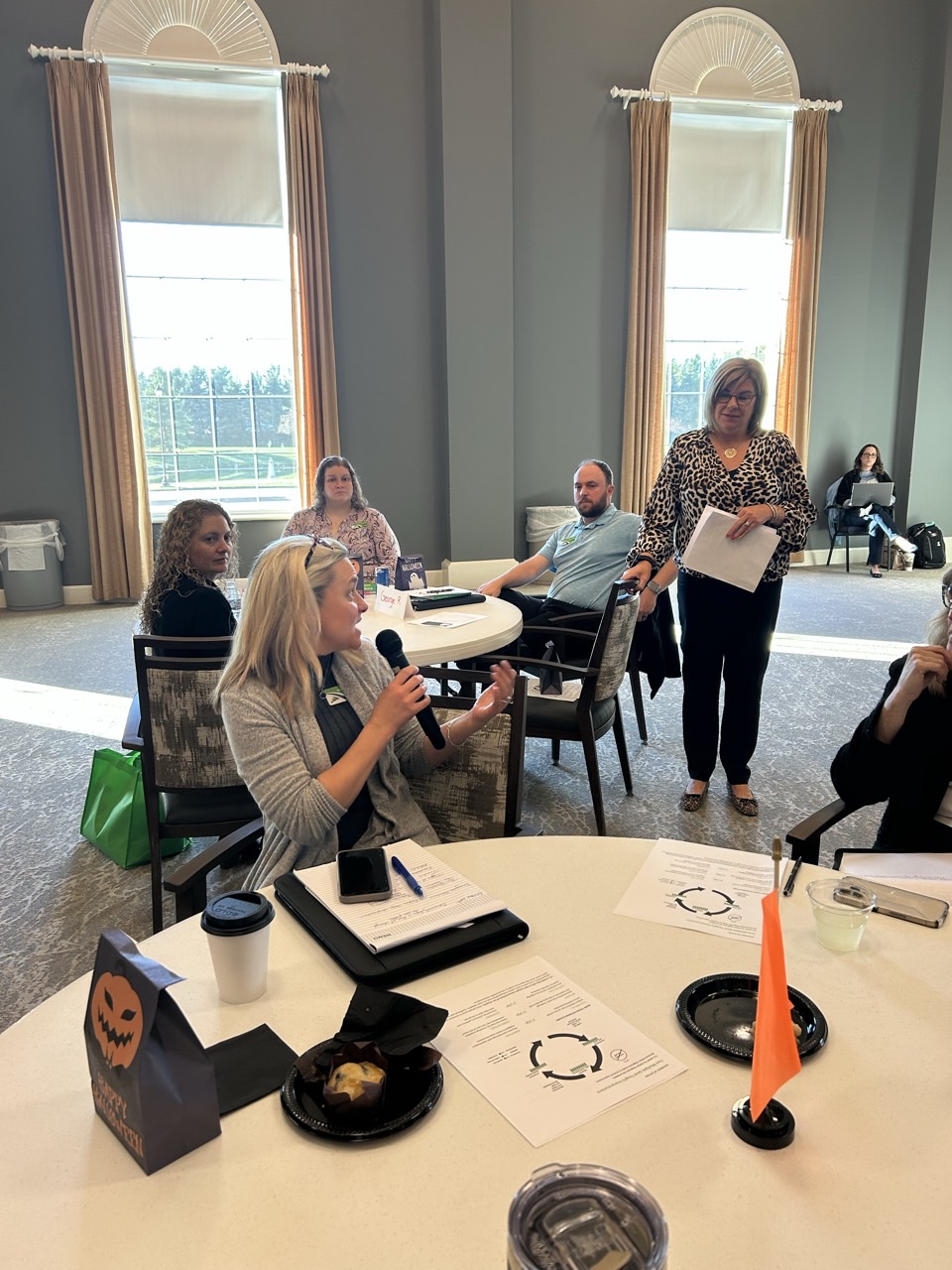
The day began with an exercise from the Your Leadership Edge curriculum, led by Terri, that challenged participants to look at complex situations through multiple lenses. The concept of Diagnosing Multiple Tough Interpretations encourages leaders to pause before jumping to conclusions — to look beyond the surface, consider differing perspectives, and seek understanding before action.
By practicing this, our class learned how to better navigate ambiguity and tension — two things every leader inevitably faces. Instead of defaulting to blame or assumption, they’re learning to lead with curiosity, empathy, and intention. It’s a skill that strengthens teams, resolves conflicts more effectively, and fosters environments of trust and respect.
com.nhncorp.m2app 24.1.5
Radical Candor
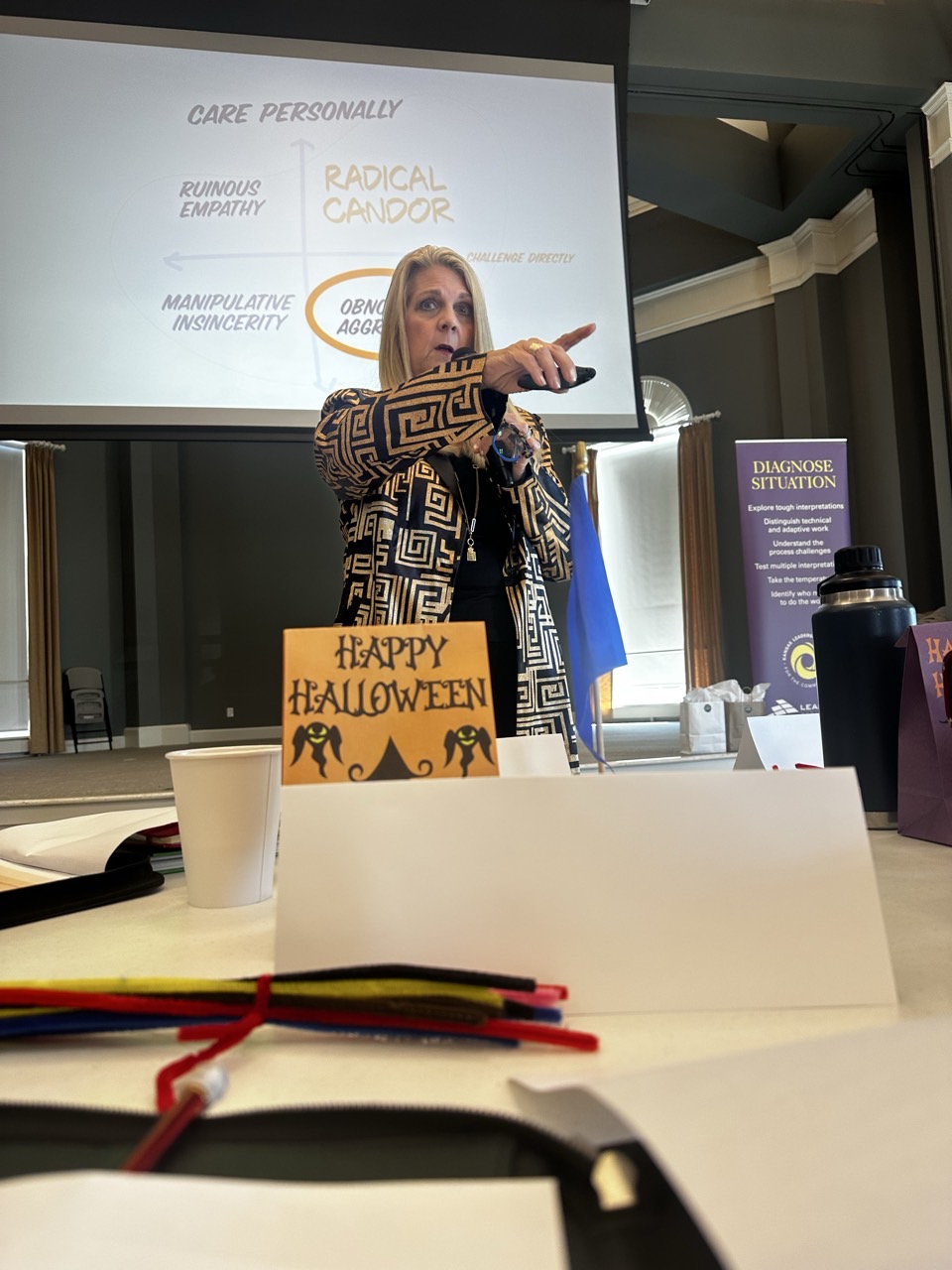
Next, Judy Bodenhamer and Perry Recchio from the Client Experience Group guided us through Radical Candor, a leadership framework based on Kim Scott’s best-selling book. The principle is simple yet powerful: Challenge directly while caring personally.
Through interactive discussions and role-playing, participants explored how honest feedback and genuine compassion can coexist — and, in fact, make each other stronger. They discovered that Radical Candor isn’t about being blunt or overly nice; it’s about being real. When leaders show they care about their people while holding them accountable, teams thrive with greater trust, transparency, and shared purpose.
DiSC Assessments
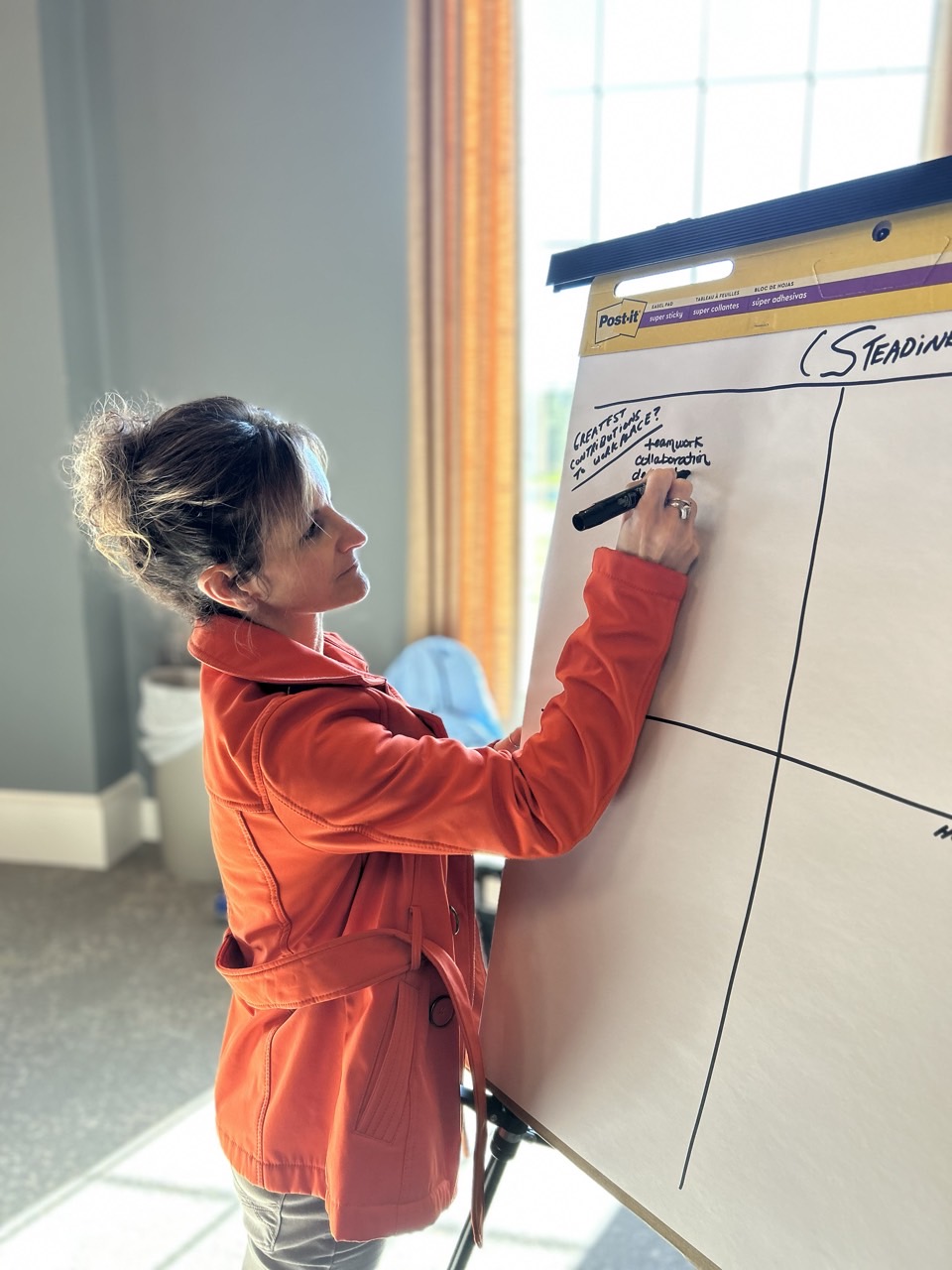
The day concluded with the DiSC Assessment, facilitated by Judy and Perry. This personal development tool helps individuals understand their own behavioral styles and how they interact with others.
com.nhncorp.m2app 24.1.5
Each participant discovered their unique DiSC profile — Dominance, Influence, Steadiness, or Conscientiousness — and reflected on how these tendencies shape communication, decision-making, and collaboration.
-
Dominance types tend to be results-driven and decisive.
-
Influence types bring enthusiasm and energy to teams.
-
Steadiness types provide calm consistency and empathy.
-
Conscientiousness types value accuracy, quality, and thoughtful analysis.
By understanding not only their own style but also those of their peers, the class gained valuable insights into how to adapt their communication, resolve conflicts, and appreciate the diversity of strengths within their teams.
Growing Together as Leaders
As the day wrapped up, one theme stood out: great leadership is about connection. Whether diagnosing a tough situation, offering honest feedback, or communicating across different personality styles, our LEAD Institute participants are learning that leadership is less about authority and more about understanding.
We are so proud of the growth this class continues to show and grateful for the mentors, facilitators, and partners who help make these learning experiences possible. Together, we’re building leaders who not only lead with confidence but also lift others up along the way.